


The Hub’s second Residents Forum since opening showed promising early results, but residents are asking for more regular short updates and they are already eager to help.
Just weeks after the opening of the Rough Sleepers Hub on Lavender Hill, residents returned last Thursday for a forum meeting to review the centre’s early operations.
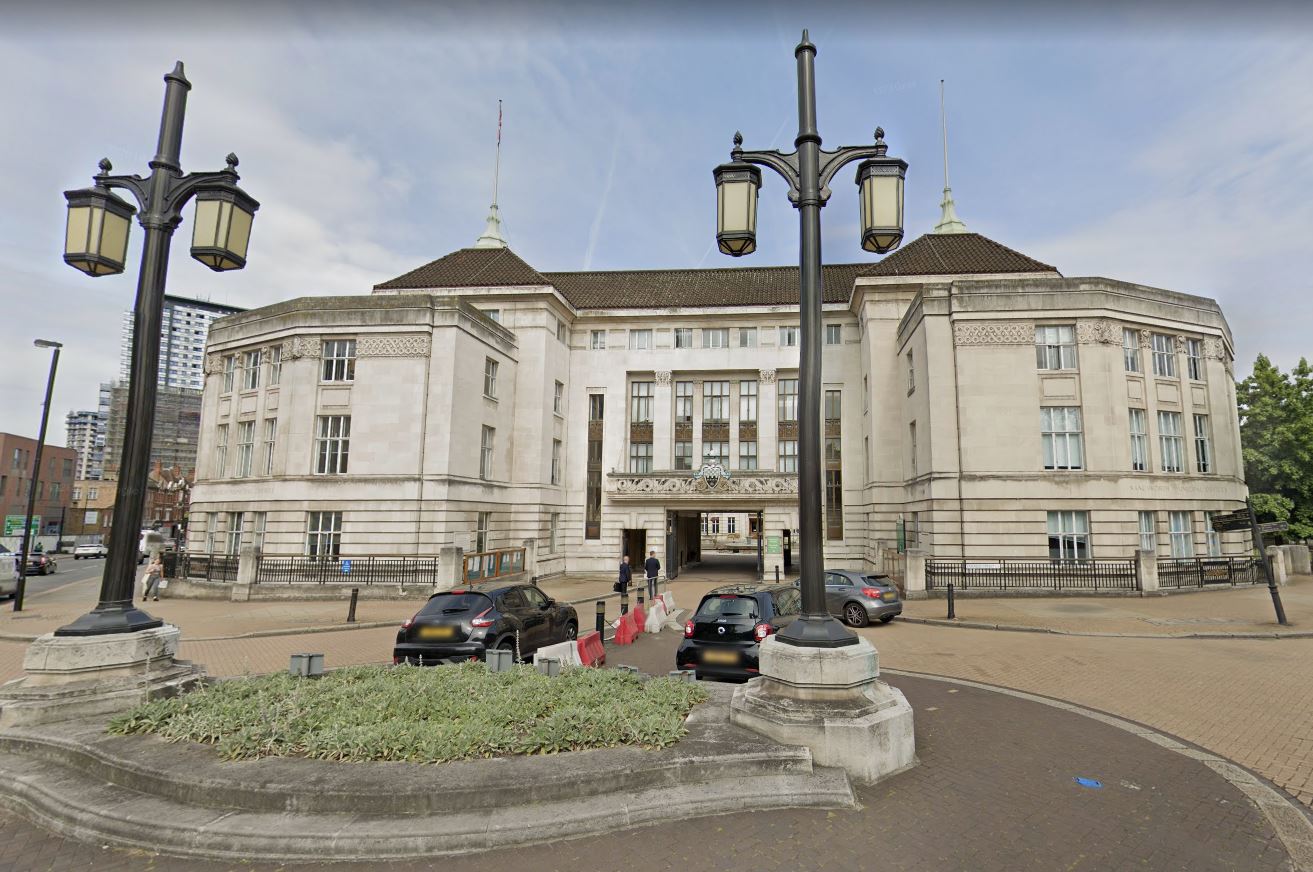
It has been a long road to this point. After years of debate, a contested planning process, and hundreds of local objections, Wandsworth Council’s flagship homeless hub on Lavender Hill finally opened its doors earlier this year. The facility — described as the first of its kind in the United Kingdom — brings housing officers, rough sleeping outreach teams, NHS mental health support, and short-stay accommodation all under one roof.
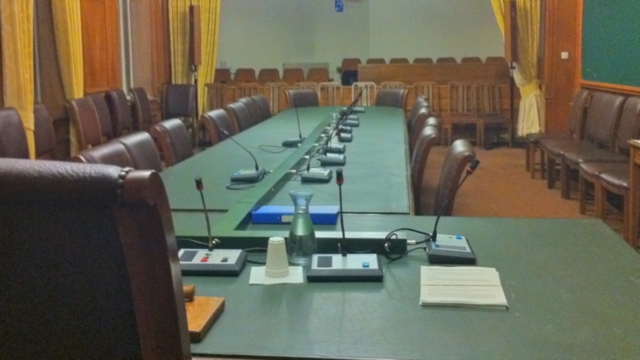
The council also committed to holding regular meetings with neighbours. The gathering on Thursday 12 March, held at Battersea Arts Centre, was the fifth forum meeting overall and the second since the hub began operating.
Opening the meeting, Councillor Aydin Dikerdem (the council’s Cabinet Member for Housing and a driving force behind the project) described the hub as “a massive innovation”.
“This is the first time in the UK that so many services are brought together in one place,” he told the room. “It took four years to come here,” he added. “When you make a promise, it has to be achieved.”

Early figures: a cautious start
Council officers then presented slides outlining how the hub is operating in its first weeks.
On helping people rebuild their lives, the Hub is currently running at around 30% capacity — three to four appointments per day against a maximum of ten. The first person moved in on 17 February and has since moved out into permanent accommodation. Three people in total have passed through since opening, each working simultaneously with three to four different services.
The human impact was illustrated through the story of “Jonny” — homeless for fifteen years, deeply mistrustful of agencies and authorities. Bit by bit, the outreach team built a relationship with him. He has now moved into the Hub and is, for the first time in many years, off the streets.
Staff said they are carrying out regular patrols of nearby streets and visiting local businesses to introduce themselves. The building is staffed 24 hours a day, with twice-daily checks of surrounding streets. One minor incident was reported from nearby Mysore Road, where a rough sleeper was found sleeping in the street. The team later discovered he had no connection to the hub and was even unaware it existed.
On the question of the Linden Tree Nursery next door — a source of significant anxiety during the original planning debates — the update was reassuring: relations are open and communicative, tours of the building were organised for staff before opening and no concerns have been raised by parents.

Testing a new model
Council officers also emphasised the experimental nature of the hub.
The model relies heavily on coordination between services. Up to eleven organisations, including housing teams, health services, tenancy support, adult social care and outreach workers, will operate from the site at different times during the week. The hub currently handles three to four appointments per day, roughly 30% of its intended capacity, with a theoretical maximum of around ten individual appointments daily.
The approach aims to reduce the fragmentation that often characterises homelessness support.
“It’s a one-stop shop model,” officers explained.
The Hub team stressed this is genuinely unprecedented — no equivalent model exists elsewhere in the UK. Central government has been closely involved and supportive.
Officers confirmed that interested councils and organisations are being invited to visit the site — though they stressed that it would take time to determine whether the concept works in practice.
“First we have to prove it works,” they said.
SPEAR: The first point of contact
Mark Taylor, Director of Operations at SPEAR London, spoke about his organisation. SPEAR — which stands for Single Person Emergency Accommodation Resource — was founded six years ago in Richmond, after rough sleepers froze to death on the streets, an event that galvanised local people into action.
The charity works across south-west London, providing outreach, assessment, and support to people experiencing street homelessness. Its teams go out onto the streets to find and engage with rough sleepers directly, building trust gradually and asking the fundamental questions: why are you here, what brought you to this point, and what do you need?
Outreach workers are often the first to approach people sleeping rough, building trust over time before connecting them with services. For residents who encounter someone sleeping on the street, Taylor advised using the StreetLink referral system, which alerts outreach teams quickly (more information at the bottom of this article).
Before the hub opened, referrals often meant sending people to different council services. Now many of those services operate from the same building.
A community eager to get involved
Throughout the meeting, residents engaged actively with both the Hub team and SPEAR, and it was clear that goodwill in the neighbourhood runs deep — alongside a frustration at not always knowing how to channel it.
The most animated exchanges centred on communication. “More proactive communication would be amazing,” said one resident. Another added: “People want to help — give things, volunteer — but they need to be told.” Suggestions included a fortnightly email bulletin, a WhatsApp group, and rotating meeting dates to accommodate different schedules. On volunteering, a resident asked directly: “As a community, how can we help? What do you expect from us?“
Council officers said the service was still in its early weeks and the priority was getting it running smoothly, though regular update emails or newsletters could be introduced. A volunteer programme is in development, likely launching around April or May, with books and games particularly welcome for now. Plans to work with Battersea Arts Centre on resident activities were also mentioned.
One of the most sobering contributions came from a member of the Wandsworth Prison Improvement Campaign. She drew attention to the situation faced by people leaving prison or the court system — and stressed that this is not solely about former offenders. When a judge dismisses a case, for instance, the individual can find themselves released very late at night, a direct consequence of the way our currently overloaded courts operate. They walk out with nowhere to go and no support in place.
For those who have served their sentence in full, the situation is scarcely better. With no remaining probation requirement, there is no statutory support, no plan, and no follow-up. They may receive £80 and nothing else. For many, that sum is not even enough to buy a train ticket back to wherever they came from, a particular problem given that prisoners are drawn from across the country, not just the local area.
Eligibility for Wandsworth’s housing support typically requires twelve months of borough residency (and time spent in prison does not count towards that threshold) and therefore most of the time they cannot use the borough’s facilities.
The striking contrast with the Council’s Rough Sleeper office in Putney at 90 Putney Bridge Road (which operates with a gate, security officers, and a ticketing system) was underlined during the discussion. The two services are complementary, but could hardly be more different in character.
The Hub team listened carefully and did not over-promise.
“What we are doing is incredibly ambitious, but it won’t always shine. We are not going to have positive stories all the time. We have to be realistic.”
A candid and grounded note on which to close, and a reminder that the scale of the challenge this Hub is taking on goes well beyond what any single building can solve alone.
The next Residents Forum is on Thursday 9th April.
How to refer a Rough Sleeper in Wandsworth
If you spot someone sleeping rough in Wandsworth, the fastest way to connect them with support is via the StreetLink platform. This alerts local outreach teams directly.
- Wandsworth Council Duty to Refer: If you are a professional (e.g., health, social care) and the person is homeless or at risk, email details (with consent) to dutytorefer@wandsworth.gov.uk.
- To reach SPEAR’s outreach team directly: outreach@spearlondon.org or 020 8404 1481.
- Rough Sleepers can also visit the Council’s offices at 90 Putney Bridge Road, SW18 1HR, in person between 9am and 4pm, or call the number above.